
Peptides get a lot of attention these days as a new craze, like they’re “new and exciting.” In fact, peptides have been around for millennia and naturally occur throughout the body and are accessible in some everyday foods.
WHAT ARE PEPTIDES?
Peptides are short-chain amino acids that act as the building blocks of cellular function. They are smaller and simpler versions of proteins, which are made of longer chains of amino acids.
As simple as the media and marketing promises make out, Peptides are complex, acting as biological messengers which are essential for critical bodily functions - signaling cells to perform very specific actions such as regulating blood sugar (e.g., insulin) or aiding tissue repair and growth, building muscle, hormonal activity, immune defense, control of inflammation and digestion, weight loss, etc.
PROCEED WITH CAUTION
The body can make countless types of peptides by stringing together different amino acids. Each combination of amino acids produces unique and very specific functions.
That’s why we want to be specific when supplementing with peptides. Like so many over-the-counter supplements or gray-market online sources, there can be a lot of exaggerated promises, but overuse or use of unregulated peptides (for example, some off-brand GLP1 products) can actually be harmful to your health. So it’s important to know why you are supplementing (the specific goal) and choose a targeted peptide aimed specifically for that body function. And then do your reliable, scientific research (not TikTok or other social media) about the quality, dosing, outcomes, and risks of those supplements.
BENEFICIAL PEPTIDE SUPPLEMENTS
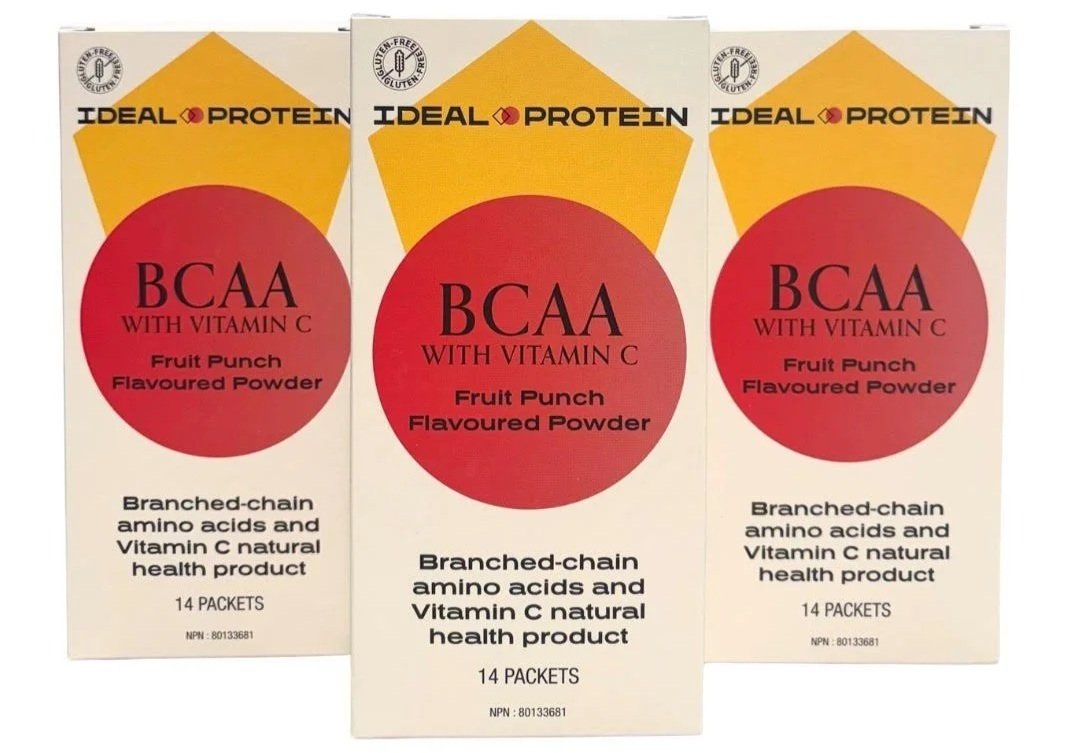
Some science-supported peptides can be very beneficial. Think of insulin, a critical drug therapy for diabetes. At BonVie, we are big fans of a very specific Branched Chain Amino Acid (BCAA) to spare muscle with protein strand fortification during intensive fat-loss.
We also love Wild Caught Marine Collagen peptides for skin elasticity, rejuvenation, and hair fortification. Depending on your needs and goals, the right peptide can give you a boost!
PEPTIDES IN FOOD
Peptides are not directly found in foods. Rather, they occur when some foods are broken down in digestion and form short-chain amino acids. To get the most access to natural peptides, eat protein-dense foods or ones rich in bioactive peptides:
Bone Broth: The best whole-food source of collagen peptides, which are released when animal bones and connective tissues are simmered.
Fermented Dairy: Foods like kefir, yogurt, and aged cheese contain active peptides (like casein and whey) produced during fermentation.
Soy Products: Tofu, tempeh, and edamame contain lunasin, a highly beneficial bioactive plant peptide.
Fish and Meat: Lean beef, chicken, pork, and fatty fish (like salmon) are rich in protein that the body easily converts into functional peptides
To reach your goal of maximized health, fitness, or performance, focus on the basics. Make sure you exercise regularly, eat right, get enough sleep, and avoid alcohol and nicotine products.
Reach out to me, Sharon, at BonVie for some specific recommendations of peptides for your individual needs.